Shabby Chic Vintage Flowers Backgrounds: A Designer's Guide
There's a distinct feeling evoked by well-worn textures and faded florals. It’s a sense of history, of softness, and of quiet romance. This is the essence of the shabby chic aesthetic, and it’s a powerful tool for designers and creators. Finding the right design assets to capture this mood can be challenging, but a cohesive collection of backgrounds can unlock a world of creative possibilities. The Shabby Chic Vintage Flowers Backgrounds collection from Finiolla Design is one such resource, offering a versatile toolkit for a wide range of projects.
Decoding the Shabby Chic Aesthetic
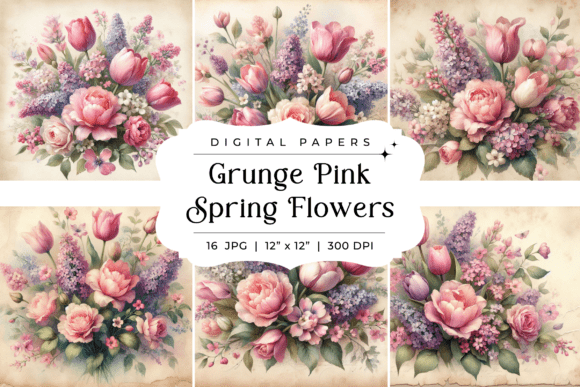
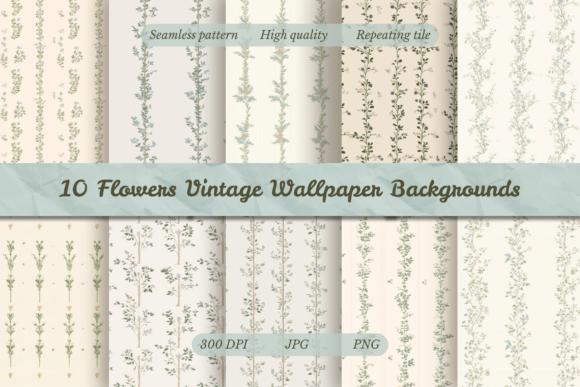
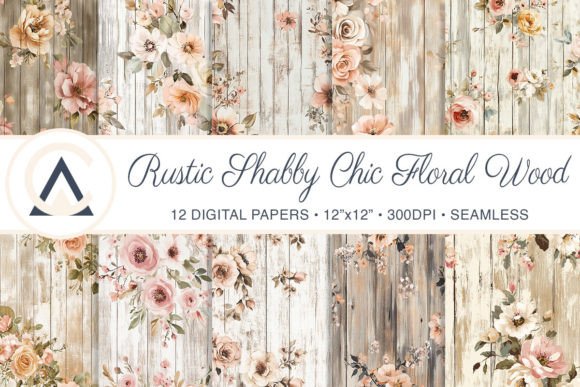
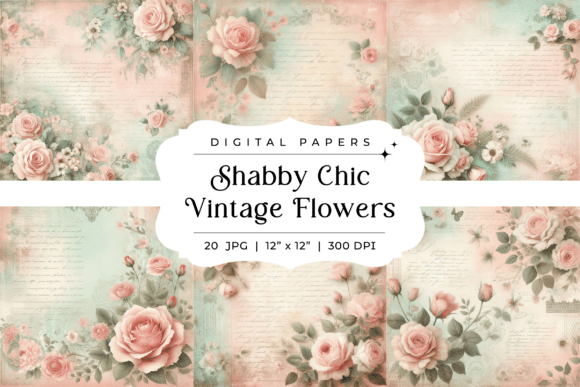
At its heart, the shabby chic style is about embracing imperfection and the beauty of age. It combines elements of rustic charm with romantic, often floral, motifs. This particular collection of digital papers embodies that philosophy perfectly. You’ll find a palette that leans heavily into soft, muted tones—think dusty pinks, gentle teals, and sage greens. These aren't loud, vibrant colors; they are the sun-faded hues of a cherished heirloom.
The visual texture is key. Each background features layers of grunge and distressed effects, giving it an authentic, tactile quality. This isn't a sterile, perfect digital file; it feels like a piece of aged paper you might find in a vintage trunk. The floral elements, primarily roses, are woven throughout in various arrangements. Some patterns are dense with blooms, while others are more sparse, allowing the underlying texture to show through. This variety makes the collection incredibly useful, as you can select a background that either makes a bold statement or provides a subtle, atmospheric backdrop.
Practical Applications for Modern Creators
Understanding a design asset is one thing; knowing how to apply it is another. These backgrounds are far more than just pretty pictures. They are functional design assets that can elevate a project from generic to memorable. Their versatility makes them suitable for both personal and commercial use, a crucial consideration for any commercial font or asset pack.
For Digital and Print Design
The applications for these backgrounds are nearly endless. For web design, a subtle, textured background can add warmth and depth to a hero section or a blog post, making the content feel more inviting. In social media graphics, they can help a brand's feed stand out with a consistent, romantic aesthetic. Think of Instagram posts for a boutique, a wedding planner, or a lifestyle blogger. The backgrounds provide an instant mood without needing a complex photoshoot.
In print, the value is just as clear. For packaging design, especially for artisanal goods like soaps, candles, or stationery, these papers can create a label or box that feels premium and handcrafted. Editorial design for magazines, lookbooks, or zines can use them to frame articles, create chapter dividers, or establish a visual theme. The 12x12 inch, 300 DPI JPG format is ideal for high-quality printing, ensuring crisp results even on larger formats.
The World of Junk Journals and Crafting
Beyond commercial applications, this collection is a dream for crafters. The term junk journal itself refers to a style of scrapbooking that embraces found objects, ephemera, and layered textures. These digital papers are perfect for printing out and using as journal pages, pockets, or decorative elements. The ephemera feel of the designs makes them a natural fit. Because the files are high-resolution, they can be resized for everything from full-page backgrounds to small, die-cut embellishments for card making or other paper crafts.
Integrating Backgrounds into Your Brand Identity
A strong brand identity is built on consistency and emotion. The visual elements you choose—from your logo design to your website background—communicate your brand’s personality before a customer even reads a word. The shabby chic style conveys a specific set of values: authenticity, romance, nostalgia, and a touch of femininity.
If your brand aligns with these values, these backgrounds can become a cornerstone of your visual language. Imagine a wedding photographer using a subtle floral texture on their website to create a soft, romantic feel. Or a vintage clothing seller using a more distressed pattern for their hang tags and thank-you cards. These details build a cohesive experience that makes a brand feel thoughtful and professional. The key is to use them strategically. A background should support your content, not overwhelm it. By varying the density and color of the pattern, you can create a visual hierarchy that guides the viewer's eye.
A Designer's Checklist for Using Textured Backgrounds
Before you start incorporating these assets into your work, a little planning goes a long way. Here are a few practical considerations to ensure your final product is polished and effective.
- Evaluate the Project Fit: Does the romantic, vintage feel of Shabby Chic Vintage Flowers Backgrounds match your project's tone? This style is perfect for a floral shop but might feel out of place for a tech startup.
- Test Your Font Pairings: The background you choose will directly impact your typography. A highly ornate script font might get lost in a busy floral pattern. Instead, consider pairing these backgrounds with a clean sans serif font for body text to ensure readability. A sturdy serif font can also work well for headings, offering a classic feel that complements the vintage aesthetic.
- Consider Readability: The number one rule is that your message must be clear. If you're placing text over one of these backgrounds, ensure there is enough contrast. You might need to add a semi-transparent shape behind your text or use a drop shadow to make it pop.
- Check the License: The listing notes that these are digital files for instant download. For any commercial project, it's always wise to double-check the specific license terms provided by the designer to ensure your use is permitted.
Ultimately, a resource like this is about giving yourself more creative options. It’s a way to quickly and affordably add a layer of texture and emotion to your work. By thinking critically about how and where to use them, you can leverage these backgrounds to create designs that are not only beautiful but also deeply resonant with your intended audience. The goal is to produce work that feels authentic and connects on a human level—a quality that the Shabby Chic Vintage Flowers Backgrounds collection helps you achieve with grace and style. Thank you for visiting Finiolla Design.