Transform Your Projects with 10 Cloth Fabric Backgrounds
There's a certain warmth that comes from seeing a real textile in a design. It feels grounded, tactile, and human. In a digital world saturated with flat colors and sterile gradients, incorporating a realistic cloth fabric background can be a powerful move. It's not just about decoration; it's about adding a layer of authenticity and sophistication that viewers can almost feel. This collection of 10 high-quality backgrounds is built for that exact purpose, offering a versatile toolkit for anyone looking to elevate their visual work.
A Toolkit for Texture and Depth
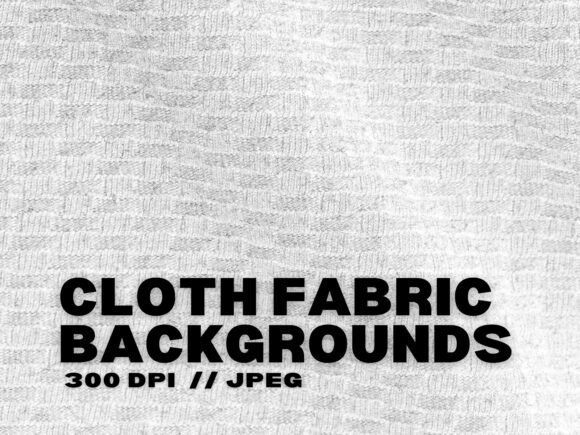
At its core, this collection provides ten distinct JPG files, each at 300 DPI. This resolution is crucial—it means the textures remain crisp and detailed whether you're using them for a small social media icon or scaling them up for a large-format print. The styles range from the soft, subtle weave of cotton to the more pronounced, rustic character of linen. Each background has its own personality, allowing you to match the texture to the mood of your project. A delicate cotton might suit a skincare brand, while a heavier linen could ground a farm-to-table restaurant's branding.
The real value lies in their application. Think of these not as finished designs, but as foundational design assets. They are the canvas upon which you build. For a graphic designer creating a logo design, layering a subtle fabric texture behind the type can add an instant sense of craft and quality. In packaging design, a linen background on a coffee bag label communicates authenticity far more effectively than a plain beige. These backgrounds are the starting point for a more nuanced visual language.
Where Fabric Meets Function: Practical Applications
The versatility of these backgrounds is their greatest strength. For those in editorial design or publishing, a cloth texture can set the tone for a magazine layout or book cover, suggesting a narrative of comfort, tradition, or handmade quality. Bloggers and content creators will find them invaluable for creating cohesive social media graphics. A consistent fabric texture used across Instagram posts, Pinterest pins, and website headers builds a recognizable brand identity that feels curated and professional.
Small business owners can leverage these textures in countless ways. Imagine using a soft cotton background for the header of your online store, or a woven texture for the background of your product photography mockups. This approach directly influences brand perception. It moves a brand from feeling generic to feeling considered and detailed-oriented. For crafters, the applications are immediate—these backgrounds are perfect for digital scrapbooking, designing custom stationery, or creating mockups for sublimation printing on items like mugs and tote bags.
Making Smart Choices with Texture
Introducing a fabric texture is a design choice that requires some thought. The key is to ensure it enhances, rather than overwhelms, your content. This is where understanding visual hierarchy becomes important. A bold, heavily textured linen might work beautifully as a full background for a poster, but for body text on a website, it could harm readability. In such cases, a much softer, more uniform cotton texture, used at a low opacity, can add depth without distracting from the message.
When selecting from the ten options, consider the existing elements of your project. If your primary typeface is a clean, modern sans serif font, pairing it with a rustic burlap texture might create a jarring contrast. A smoother, more refined canvas texture would likely complement it better. This is the art of font pairing extended to texture pairing. Always test the background with your key text and graphic elements. Does the texture compete with your display font? Does it make your logo harder to read? A quick mockup can save a lot of revision time later.
From a practical standpoint, the instant download and commercial licensing make this a straightforward addition to your toolkit. You're not just buying ten images; you're investing in a resource that can bring cohesion and a tactile quality to a wide range of projects, from personal invitations to client-facing marketing materials. It’s about having the right asset on hand when the project calls for something with more character than a standard color fill. The goal is to use texture with intention, creating designs that feel both visually engaging and authentically crafted.