Unearthing Organic Appeal: Hemp Fiber Sisal Texture Backgrounds
In a digital landscape often saturated with high-gloss perfection and sterile vector graphics, there is a palpable shift toward designs that feel grounded, authentic, and tactile. This is where the unique aesthetic of Hemp Fiber Sisal Texture Backgrounds steps in, offering a sophisticated alternative to standard stock photography. We are looking at a collection that isn't just about color, but about feeling. These backgrounds capture the raw, woven beauty of natural fibers, bringing an earthy, artisanal quality to any project. The visual language here is one of subtle imperfection and organic warmth, making it a powerful tool for anyone looking to break away from the artificial sheen of modern digital design.
The Visual Language of Natural Fibers
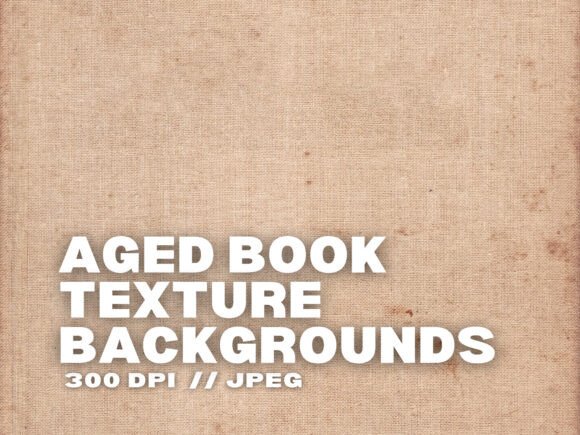
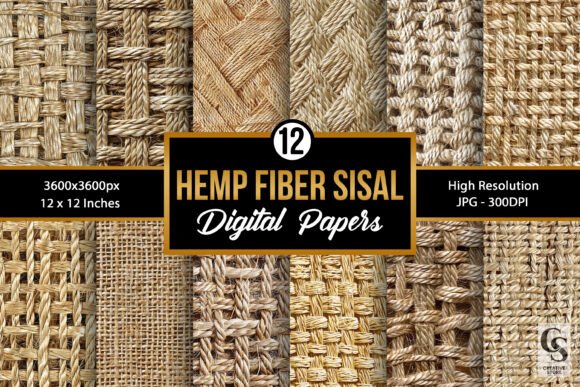
At its core, a hemp or sisal texture speaks to durability and nature. Visually, these backgrounds present a complex interplay of fine, irregular lines and soft, neutral tones—ranging from bleached creams and sandy beiges to deep, earthy browns. The weave is tight yet visible, creating a subtle pattern that adds depth without overwhelming the foreground content. This isn't a flat, static surface; it has dimension. The shadows and highlights woven into the fibers give the texture a tactile quality that is almost palpable through the screen. This specific style of premium font and texture design avoids the harshness of synthetic materials, instead offering a soothing, organic canvas that feels both timeless and contemporary.
The appeal of this texture lies in its versatility. It functions much like a high-quality linen paper or a well-worn canvas. It provides a stable, grounding foundation for text and imagery, allowing other design assets to pop against its matte, fibrous surface. Whether you are working on a rustic brand identity or a minimalist modern layout, the Hemp Fiber Sisal Texture Backgrounds provide a neutral yet characterful starting point. It’s the kind of background that doesn’t scream for attention but quietly elevates the entire composition, lending an air of thoughtfulness and quality to the final product.
Strategic Applications: Where Texture Meets Function
Understanding where to deploy these textures is key to maximizing their impact. For brand identity and packaging design, particularly for eco-conscious brands, artisanal food products, or handmade goods, these backgrounds are invaluable. They immediately communicate values of sustainability, craftsmanship, and natural ingredients without a single word. Imagine a coffee shop’s digital menu or a skincare brand’s website using this texture; the message of "natural" and "carefully made" is instantly conveyed.
In the realm of editorial design and web design, these textures serve as excellent "quiet" backgrounds. They provide enough visual interest to prevent a layout from looking flat, but their low contrast ensures that text remains highly legible. For social media graphics, where the fight for attention is fierce, a textured background can stop the scroll. It adds a layer of professionalism and visual richness that a plain white or solid color background cannot match. Use them for quote cards, promotional banners, or behind lifestyle photography to create a cohesive, curated feed.
Beyond digital applications, the provided high-resolution files (3600 x 3600 pixels at 300dpi) are perfectly suited for print. This makes them ideal for:
- Stationery and Invitations: Create wedding suites or business cards that feel luxurious to the touch when printed on textured stock.
- Greeting Cards and Scrapbooking: Add a layer of realistic depth to DIY paper crafts.
- Planners and Journals: Design custom covers that evoke a sense of calm and organization.
- Wall Art and Wraps: Use the patterns as standalone art pieces or as backgrounds for typography-based prints.
Integrating Texture into Your Design Workflow
Adopting a texture like Hemp Fiber Sisal into your workflow requires a thoughtful approach to modern typography and composition. The goal is contrast. Because the background is organic and detailed, your typography should likely lean toward clean and legible. A crisp sans serif font often pairs beautifully, creating a modern contrast against the rustic background. Alternatively, a classic serif font can amplify the traditional, timeless feel. If you are looking for a creative font for headers, ensure it has enough weight or distinct character to stand out against the weave of the fibers; a delicate script font might get lost, whereas a bold display font could create a striking focal point.
When evaluating these assets for your project, consider the "noise" level of the texture. For logo design or small text, you may want to use a cleaner section of the texture or increase the opacity to fade it back slightly. For backgrounds and wallpapers, the full texture can be used to its advantage. It is also worth experimenting with blending modes in your design software—such as Multiply or Overlay—to integrate text and graphics seamlessly into the fibers, making the design look as though it was printed directly onto the material.
Ultimately, the 12 seamless patterns included in this collection offer a robust toolkit for creators. Whether you are a small business owner looking to DIY your marketing materials or a professional designer seeking high-quality commercial font and texture assets, the Hemp Fiber Sisal Texture Backgrounds provide a reliable, aesthetically pleasing solution. They bridge the gap between digital precision and the warmth of the natural world, proving that sometimes, the best design choice is to go back to basics.